Solar photovoltaic & thermal energy

No single solar technology is best for every project

Solar energy, designed around the application

Integra evaluates each facility’s electricity and heat demand, temperature requirements, solar resource, available space, operating schedule, and economics to determine whether solar PV, solar thermal, storage or a hybrid system offers the best solution.
Solar photovoltaic (PV)

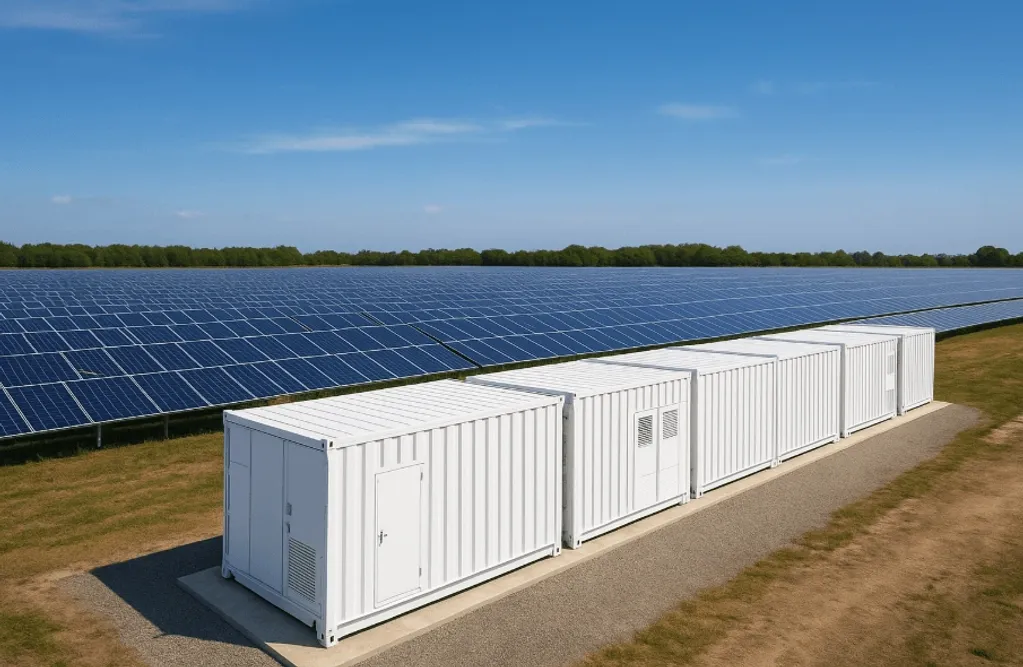
Solar photovoltaic (PV) is often the most practical and cost-effective choice when the primary need is electricity. It is modular, widely deployed and can be combined with battery energy storage systems (BESS) to support off-grid operations, improve resilience, manage peak demand or supply renewable electricity to electrolyzers for green hydrogen production.

Solar thermal

When the primary requirement is heat, solar thermal may offer a more direct and efficient solution. Depending on the technology and site conditions, it can provide hot water, heat fluids, produce steam, support high-temperature industrial processes, or drive cooling systems for hotels, data centers, and other energy-intensive facilities.

Book an Appointment

Making the right selection

Match your solar system to the energy demand

Solar PV, solar thermal and storage each serve different energy needs. Selecting the right combination starts with understanding what the facility needs to power, heat or keep running.
Electricity-focused solar PV

A practical, modular option for facilities where the primary energy need is reliable renewable electricity

Heat-focused solar thermal

A direct solar solution for hot water, heated fluids, steam and other thermal energy requirements

Solar paired with storage

Combine solar generation with battery or thermal storage to improve resilience, manage demand, and use energy beyond daylight hours

Hybrid systems for complex sites

Integrate PV, solar thermal, and storage where a facility has both electricity and heat requirements

We compare the options based on electricity and heat demand, temperature requirements, solar resources, available space, operating schedule, and project economics.

Off-grid operations and planning

Use solar PV with battery storage to support sites that need a more reliable electricity supply away from the grid

Peak demand management

Store solar electricity and use it during higher-demand periods to reduce reliance on grid power when demand is highest

Green hydrogen production

Supply renewable electricity to electrolyzers where solar PV is part of a green hydrogen production system

Process heat and cooling

Use solar thermal energy for hot water, steam, industrial heat, or cooling in energy-intensive facilities

Put solar to work where it matters most
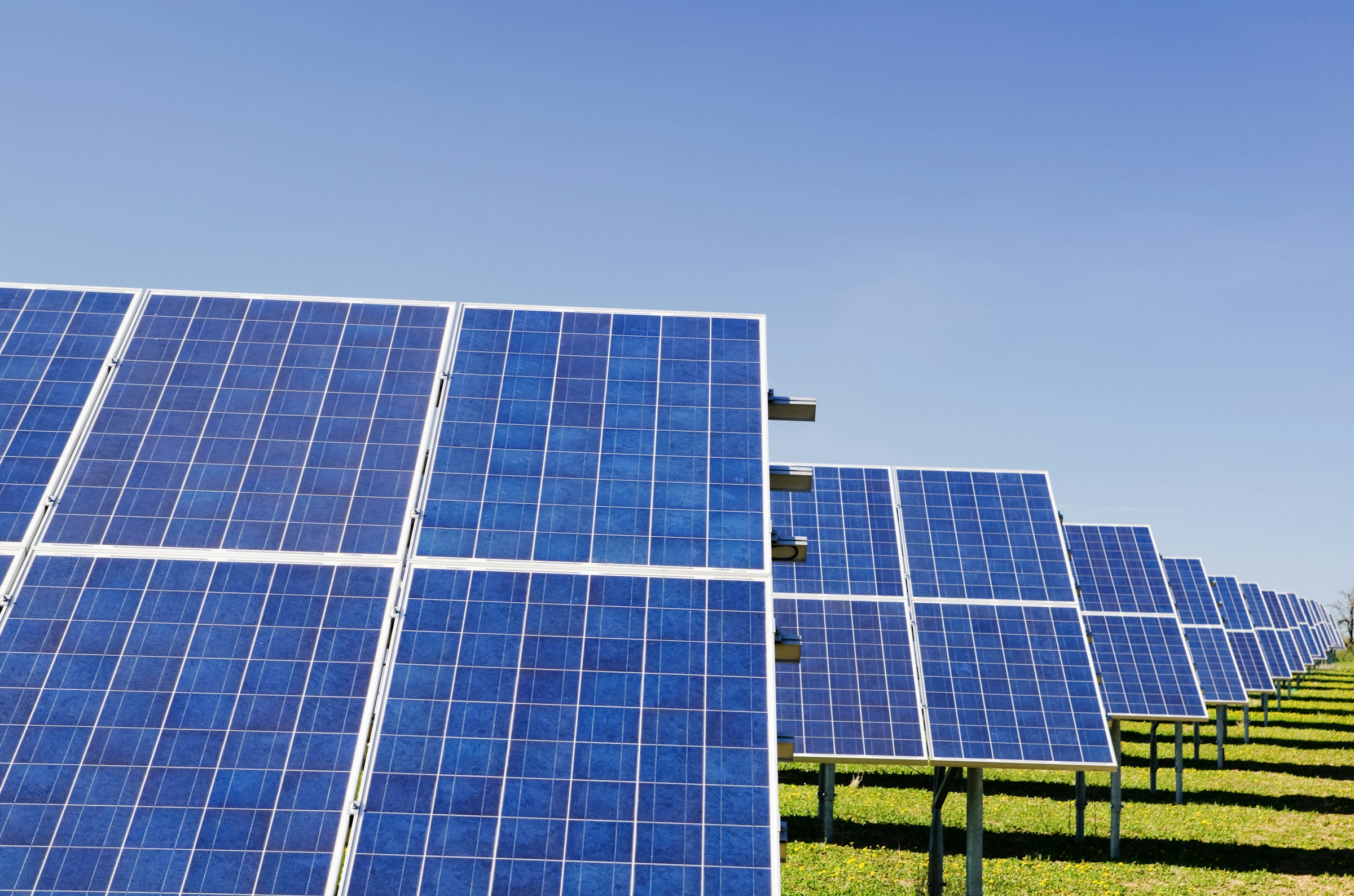
Solar systems can support a range of operational needs, from reducing grid reliance to supplying electricity or heat for specific processes. Solar PV can be paired with battery storage to support off-grid operations, improve resilience, and manage peak demand, while also supplying renewable electricity to electrolyzers for green hydrogen production. Solar thermal can provide hot water, heated fluids, steam, industrial process heat or cooling for hotels, data centers, and other energy-intensive facilities.
Solar pannels

We will help you find the right solar solution for your project.

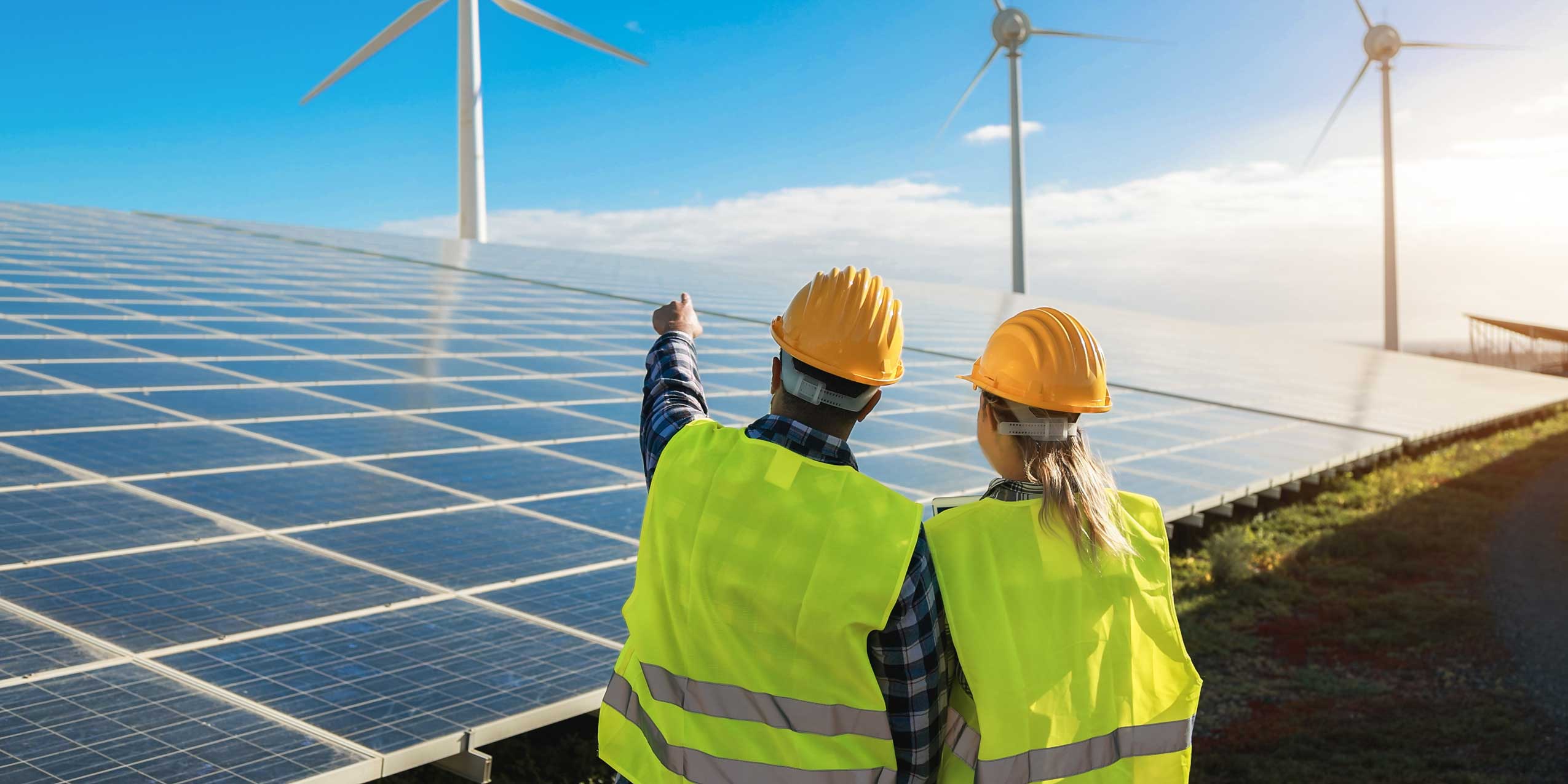
Explore whether solar PV, solar thermal, energy storage, or a hybrid system best fits your electricity, heat,, and operational requirements
Start with what you need solar to do

Frequently asked questions

It depends on the primary energy need. Solar PV is often the most practical choice when electricity is the main requirement, while solar thermal may be more suitable where the facility needs hot water, heated fluids, steam, process heat or cooling.
Solar PV can supply renewable electricity on site and can be combined with battery energy storage to support off-grid operations, improve resilience and manage peak demand.
Yes. A hybrid system can combine solar PV, solar thermal and storage where a facility has both electrical and thermal energy requirements.
Solar PV can supply renewable electricity to electrolyzers for green hydrogen production where the project requirements and economics support that approach.
Depending on the technology and site conditions, solar thermal can produce steam and support high-temperature industrial processes.
Solar thermal can drive cooling systems for hotels, data centres and other energy-intensive facilities, depending on the technology and site conditions.
Concentrating solar thermal technologies can continue delivering heat or power after sunset when combined with thermal energy storage. Appropriately designed systems may support continuous operations.
Yes. Solar PV can be paired with battery energy storage to manage peak demand by storing electricity for use when demand is higher.
Integra evaluates the facility’s electricity and heat demand, temperature requirements, solar resource, available space, operating schedule and project economics.
No. The right solution depends on the application. A facility may require solar PV, solar thermal, storage or a hybrid system based on its specific energy needs and operating requirements.