Low-carbon Hydrogen solutions
Do you need hydrogen at the right price, pressure and scale? Or do you have planned production but still need a committed buyer?
Making hydrogen work
from production to real use
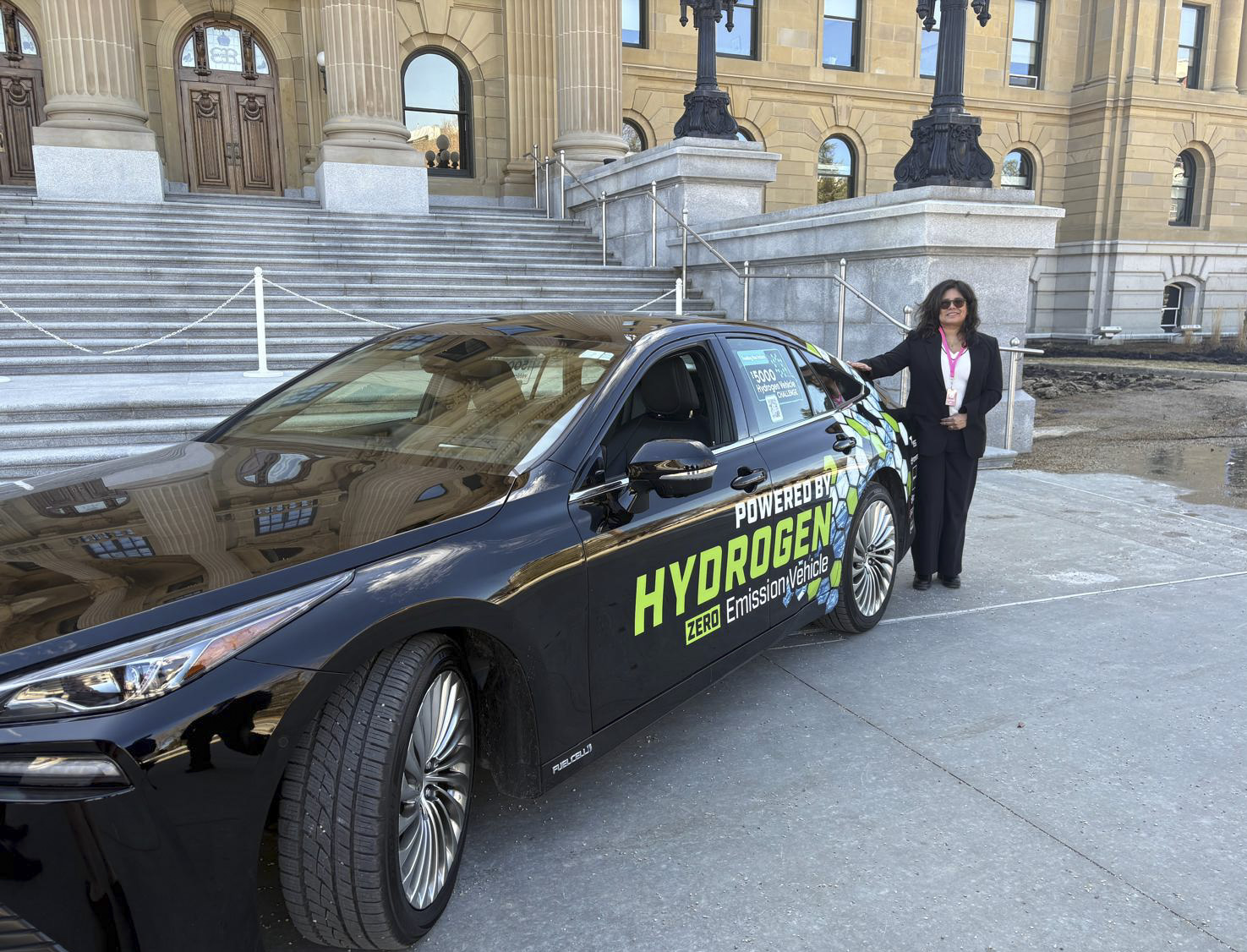
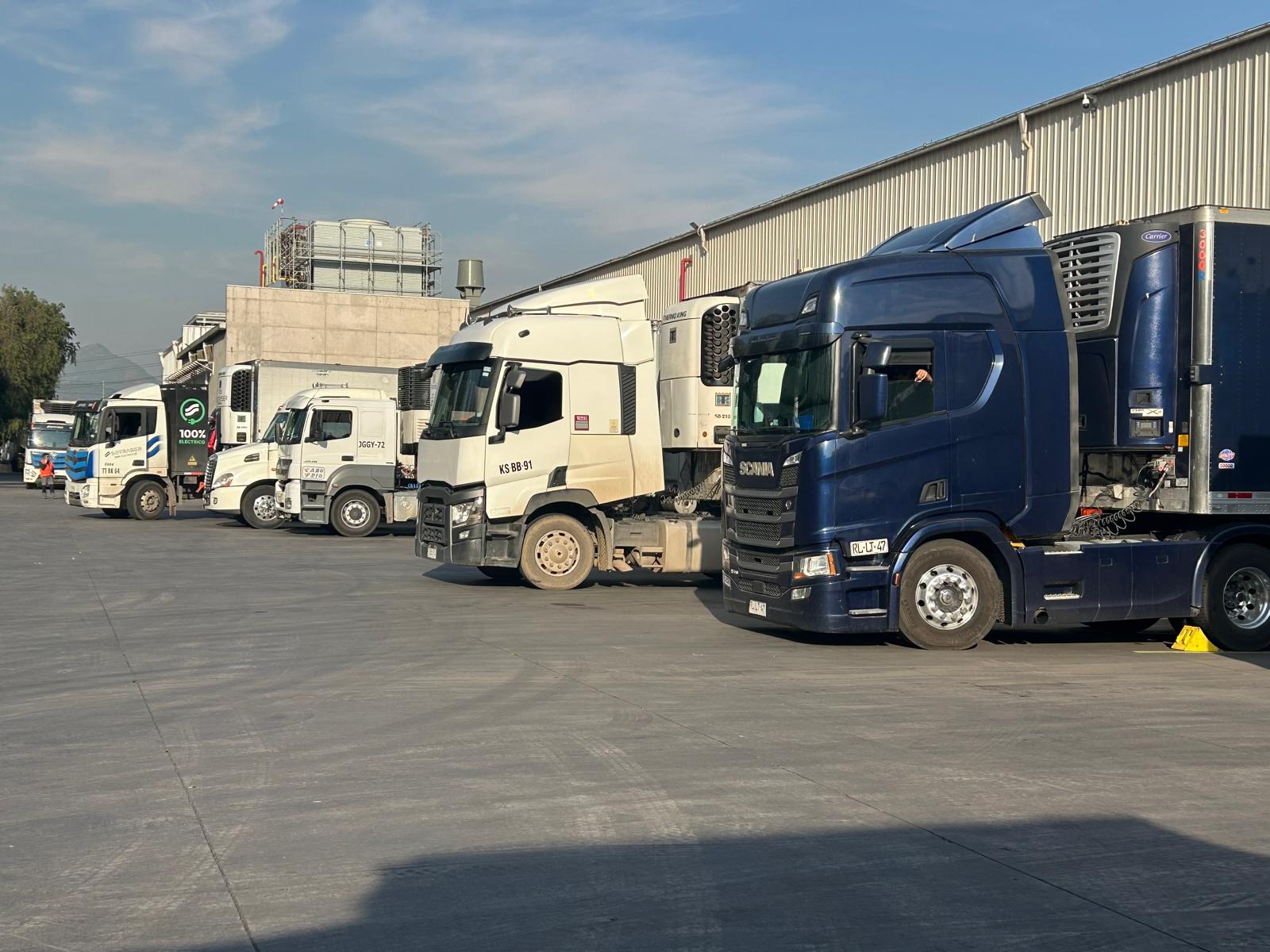
Hydrogen solutions for trucks, buses, yard vehicles, trains, port and airport equipment, mining vehicles and other heavy-duty applications.
Hydrogen generators and fuel-cell systems for stationary power, mobile power, backup systems, remote sites, telecom, construction and the film industry.
Providing a practical transition for clients that want to reduce diesel or use existing equipment
Fuel-cell systems for mobility, power generation, backup power and specialized applications
Hydrogen as an input for ammonia, methanol, synthetic fuels, sustainable aviation fuel, and other industrial products
A smaller system can help test an application, train operators and confirm costs before a larger investment is made
Other Services
Book an Appointment







Why choose integra
10 years in sustainable Hydrogen solutions
The objective is simple: produce the right amount of hydrogen for a real use and a real customer.
We focus on the delivered cost of hydrogen and the total cost of using it
We compare the options based on location, energy availability, operating schedule, carbon requirements, project size and target hydrogen price
We are not limited to one manufacturer or one type of system. We assess the complete project and select technologies that work well together.
We compare the options based on location, energy availability, operating schedule, carbon requirements, project size, and target hydrogen price.
Reduce unnecessary equipment and system complexity
Use modular systems that can expand with demand
Match lower-pressure production with lower-pressure applications
Access available grants, incentives and project financing
Connecting production with demand
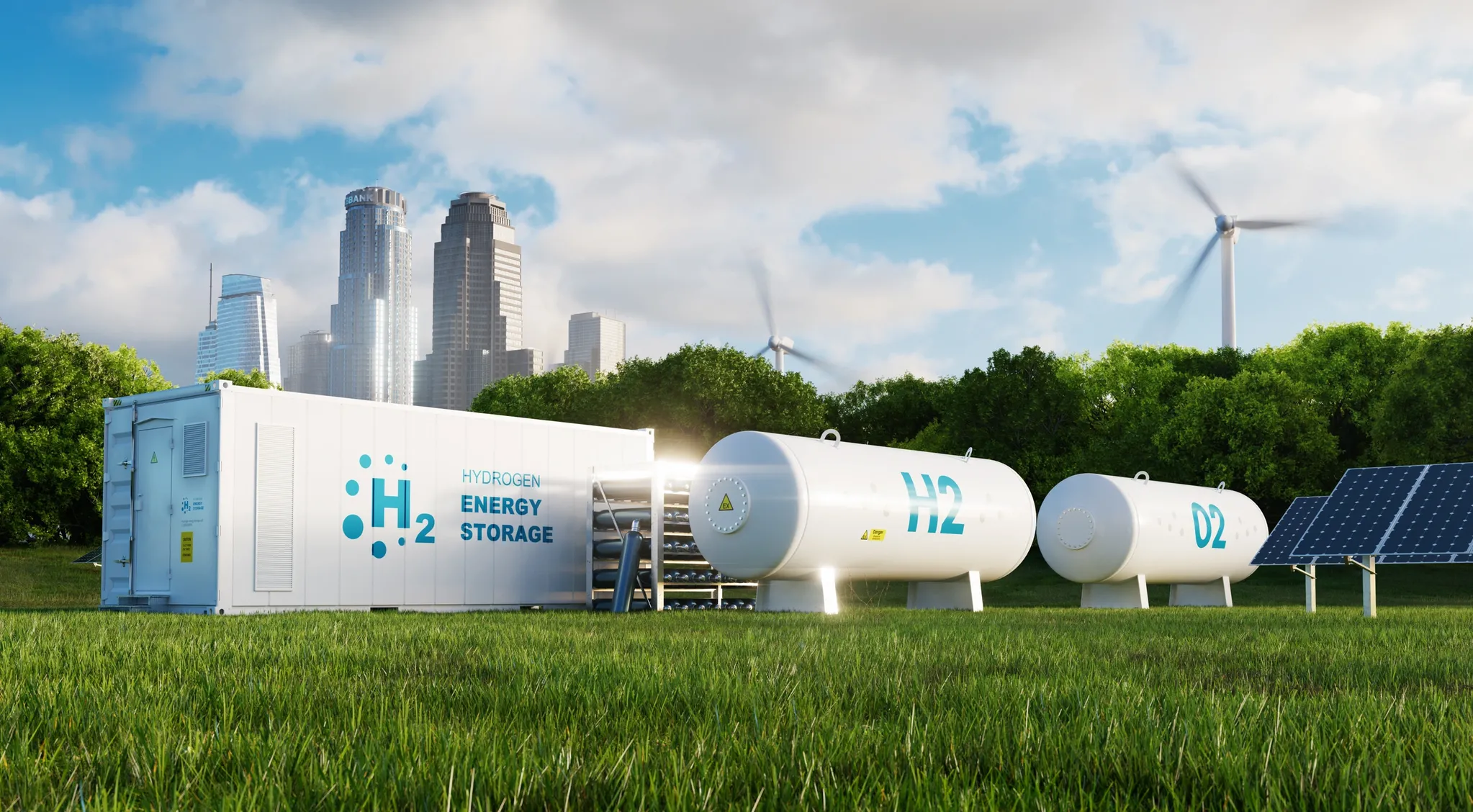
Not every project needs a large centralized plant.
Discover the right production pathway based on your energy requirements
Start with what you need hydrogen to do
Frequently asked questions
Define the vehicle or equipment type, hydrogen demand, operating schedule, required pressure, site location and expected growth. Integra then matches the production pathway and system size to the actual application.
Yes. Integra’s solutions range from small on-site systems producing approximately one kilogram per day to industrial projects producing tonnes per day. For some clients, a small on-site system may offer a simpler and more affordable solution.
Yes. Integra matches production capacity with real demand, location, operating schedules, pressure requirements and future growth. This may involve finding an offtaker, bringing several nearby users together, or developing production and consumption at the same site.
Hydrogen and dual-fuel solutions can be used for engines, generators, burners and other combustion applications. These can provide a practical transition for clients that want to reduce diesel or use existing equipment.
The final cost of hydrogen depends on the complete system, not only the production equipment.
Electricity or feedstock costs, operating hours, compression, storage, transportation and maintenance all affect the cost per kilogram.
We focus on the delivered cost of hydrogen and the total cost of using it.
Not necessarily. Integra looks for opportunities to reduce compression and storage requirements and to match lower-pressure production with lower-pressure applications.
Depending on the project, hydrogen may be produced from renewable electricity, solar power, grid electricity, a mix of grid and renewable power, biogas and other biogenic sources, or other locally available energy or feedstocks.
Yes. A smaller system can help test an application, train operators and confirm costs before a larger investment is made. Modular systems can then grow as hydrogen demand and supply increase.
Integra can bring together production and purification, compression and storage, distribution and fueling, controls and monitoring, end-use equipment, safety and regulatory requirements, training, operation and maintenance, funding and project partners.