
Smart energy storage & efficiency
Reliable energy storage for resilience, cost control, and greater renewable energy use
More flexible, intelligent & sustainable energy storage solutions
We help clients evaluate battery energy storage systems (BESS) that improve resilience, increase renewable energy use and protect critical operations during grid disruptions. When designed with the appropriate controls and power electronics, these systems can provide a smooth transition from grid power to backup, minimizing interruptions for sensitive facilities.
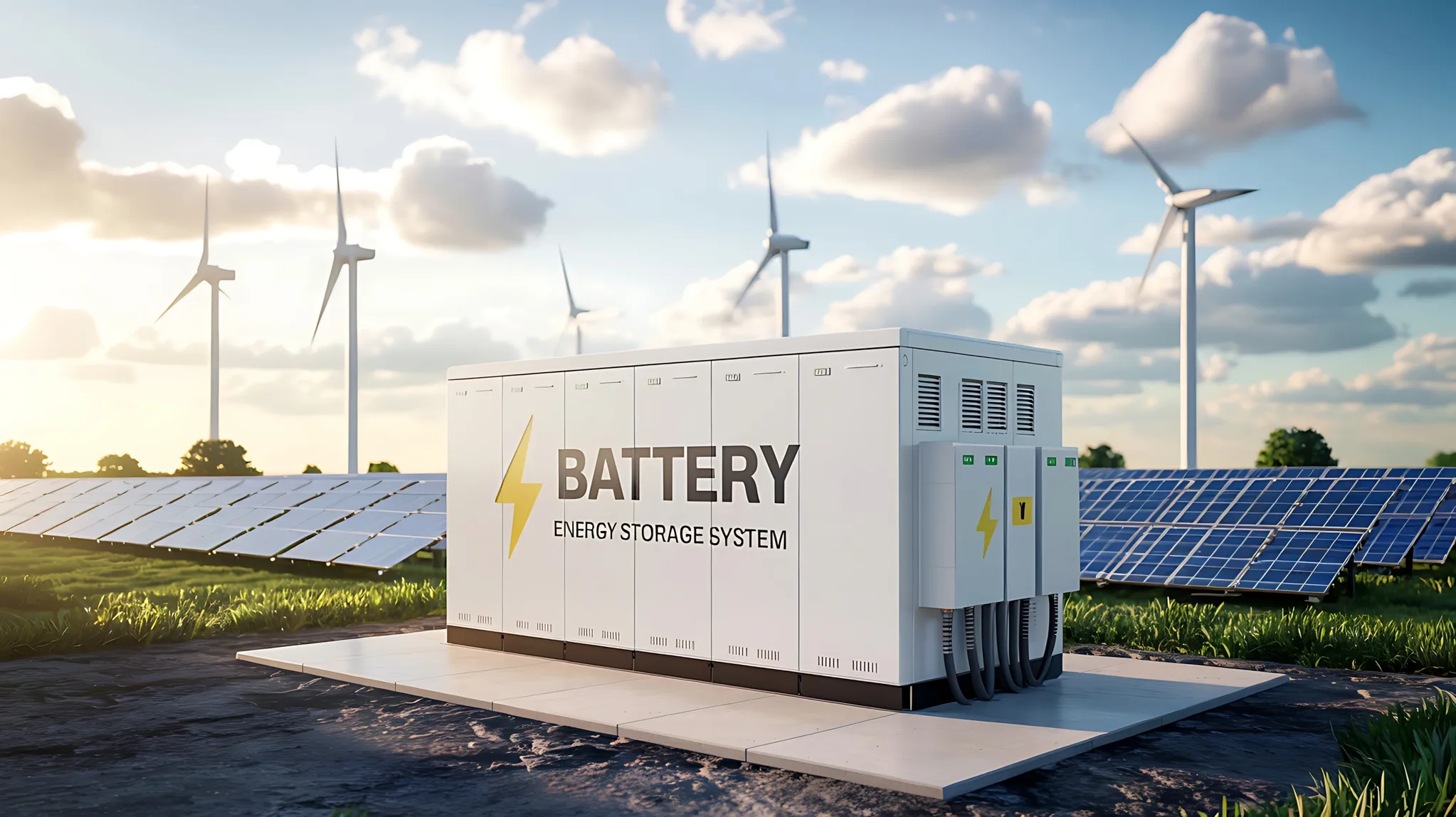
Batteries can reduce operating costs by charging when electricity prices are lower or surplus renewable power is available and then discharging during higher-cost periods
Where market rules permit, stored electricity may also be exported to the grid, creating another way to use available stored energy when it is needed.
Retired electric-vehicle batteries can be tested and repurposed into stationary storage systems ranging from hundreds of kilowatt-hours to megawatt-hour scale
For longer-duration requirements, flow, sodium and zinc batteries are advancing alongside other storage options, including hydrogen where project economics support its use.
Other Services
Book an Appointment













What's new
Energy storage technologies have advanced significantly
Innovation is expanding the range of available energy storage solutions to fit a wider variety of project needs and site conditions
Retired electric-vehicle batteries can be tested and repurposed into stationary systems from hundreds of kilowatt-hours to megawatt-hour scale
For longer-duration requirements, technologies such as flow, sodium and zinc batteries are advancing alongside other emerging storage options
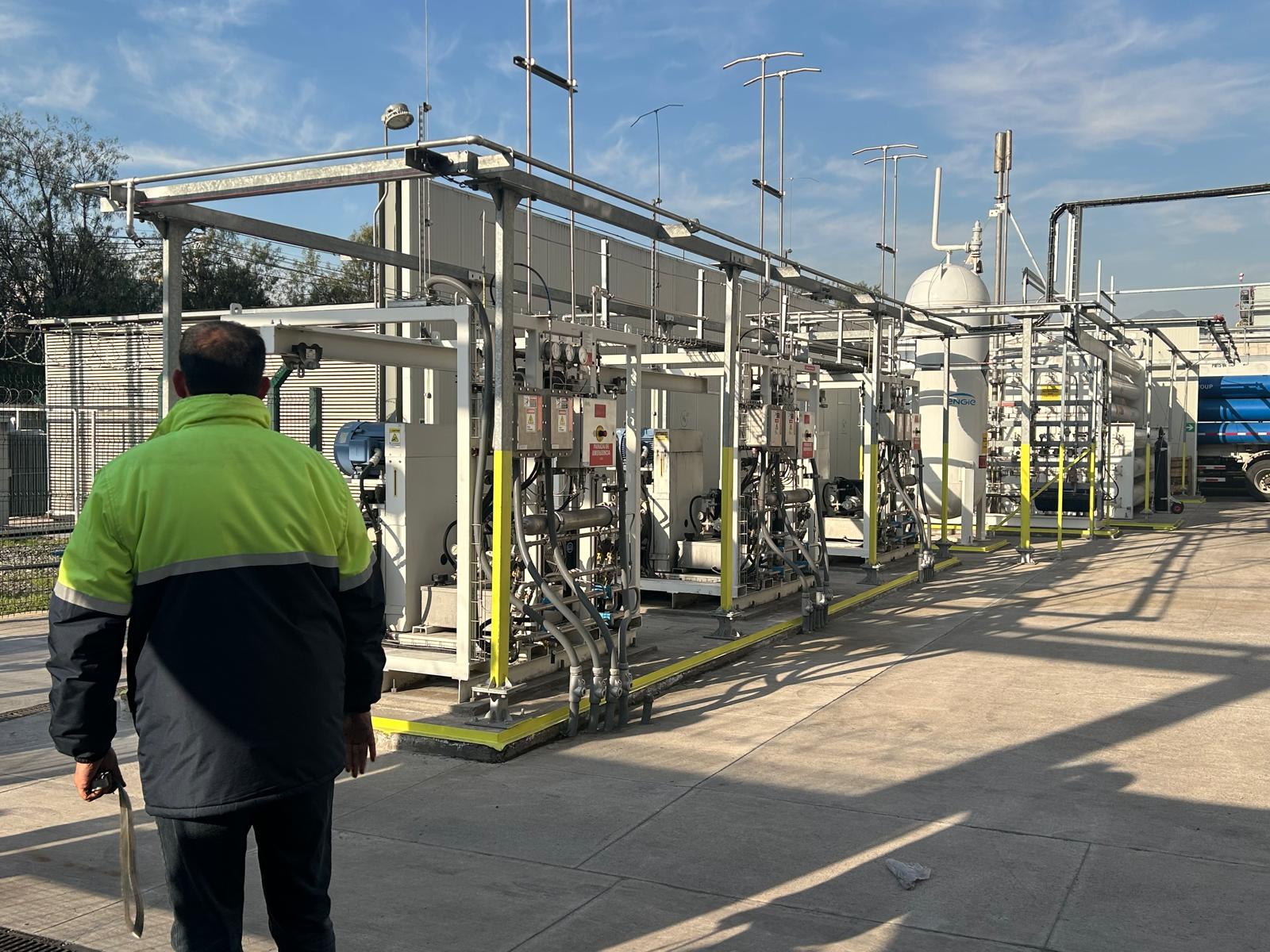
Hydrogen can serve as a long-duration energy carrier where project scale, operating requirements, and economics support its practical use
Doing it right the first time
Improving building efficiency
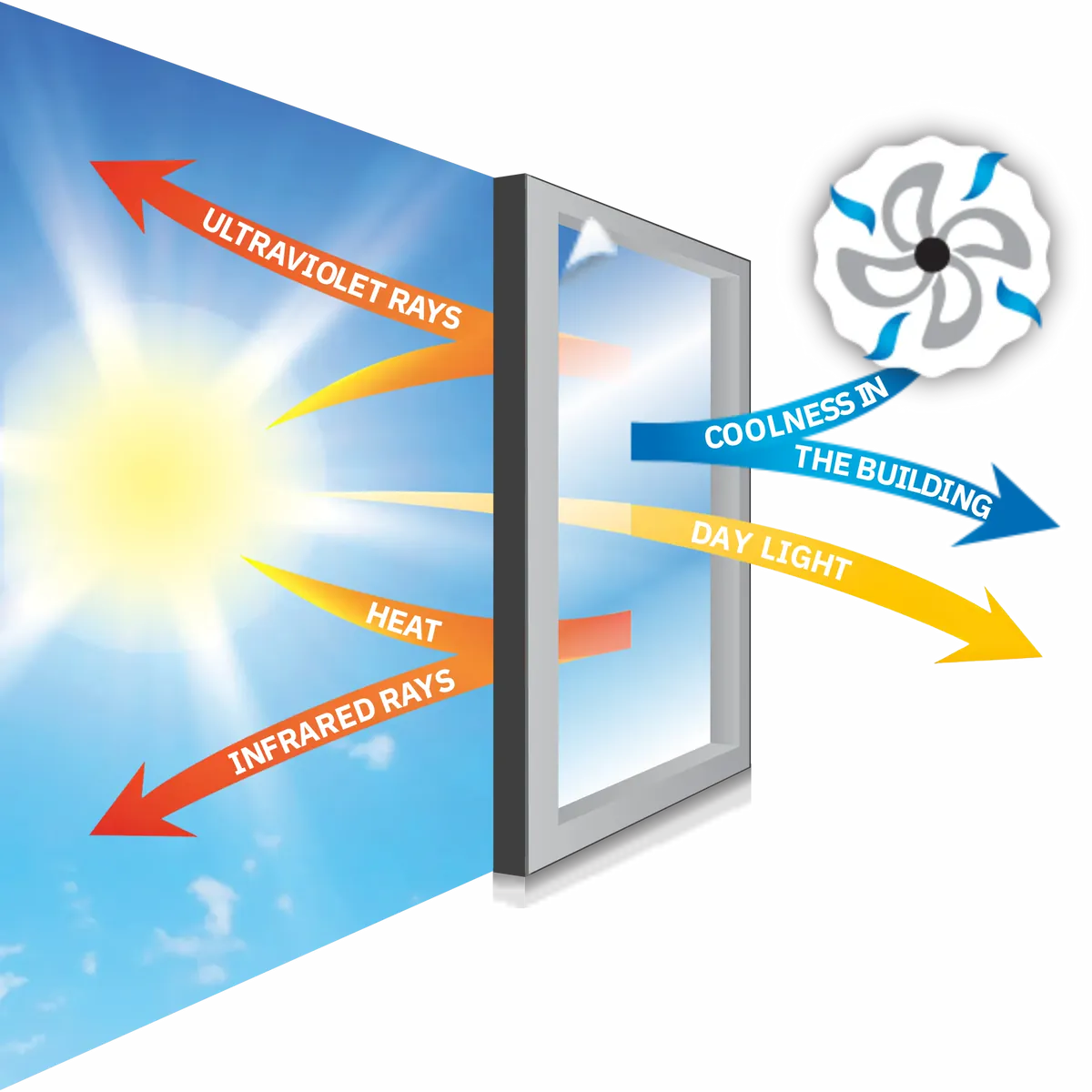
Reducing energy demand is often as important as producing or storing clean energy. For existing buildings, Integra offers EcoloSynergy’s Low-E nanothermal window membrane, which upgrades existing glazing without requiring window replacement. The membrane reduces solar heat gain during warmer periods and helps retain indoor heat in colder conditions, improving comfort and reducing heating and cooling demand in hotels, offices, institutional buildings, and other facilities.
Better control of solar heat gain and indoor heat retention eases the load on HVAC systems in hotels, offices and institutional facilities
Improve the performance of current glazing as part of a practical building-efficiency upgrade, without major façade work
Ready to improve your energy performance?
Evaluate energy storage and building-efficiency options that strengthen resilience, reduce energy demand and support your operational requirements.
FAQs
Frequently asked questions
They can be, once they have been tested and assessed for stationary use. Repurposed electric-vehicle batteries can be used in systems ranging from hundreds of kilowatt-hours to megawatt-hour scale.