Indigenous Clean Energy Partnerships
Bringing energy, water, economic development, and community capacity into one plan.
Integra helps Indigenous communities bring four connected priorities together.
An integrated approach
to community-led projects
For Integra Cleantech, indigenous clean energy partnerships begin by bringing together two complementary areas of experience.
Laura Guzman leads our work in clean energy, technology integration, partnerships, and funding.
Satnam Manhas brings more than 30 years of experience in Indigenous partnerships, forestry, land stewardship, conservation, and community economic development.
Together, we help Indigenous communities turn their priorities into practical projects that can be built, operated, and maintained for the long term. Our work brings together energy, water, conservation, economic development, and community capacity instead of treating them as separate needs.
Reliable energy and safe water that support community needs
Local jobs, revenue and community-owned businesses
Conservation and protection of lands and natural resources
Training, technical knowledge, project management and long-term operation
Other Services
Book an Appointment
working with integra
What we bring together
Our role is to bring the right pieces together. This may include technology providers, engineers, conservation specialists, funding partners, local businesses, training providers, and government programs. The community remains at the center of the project and the decisions that shape it.
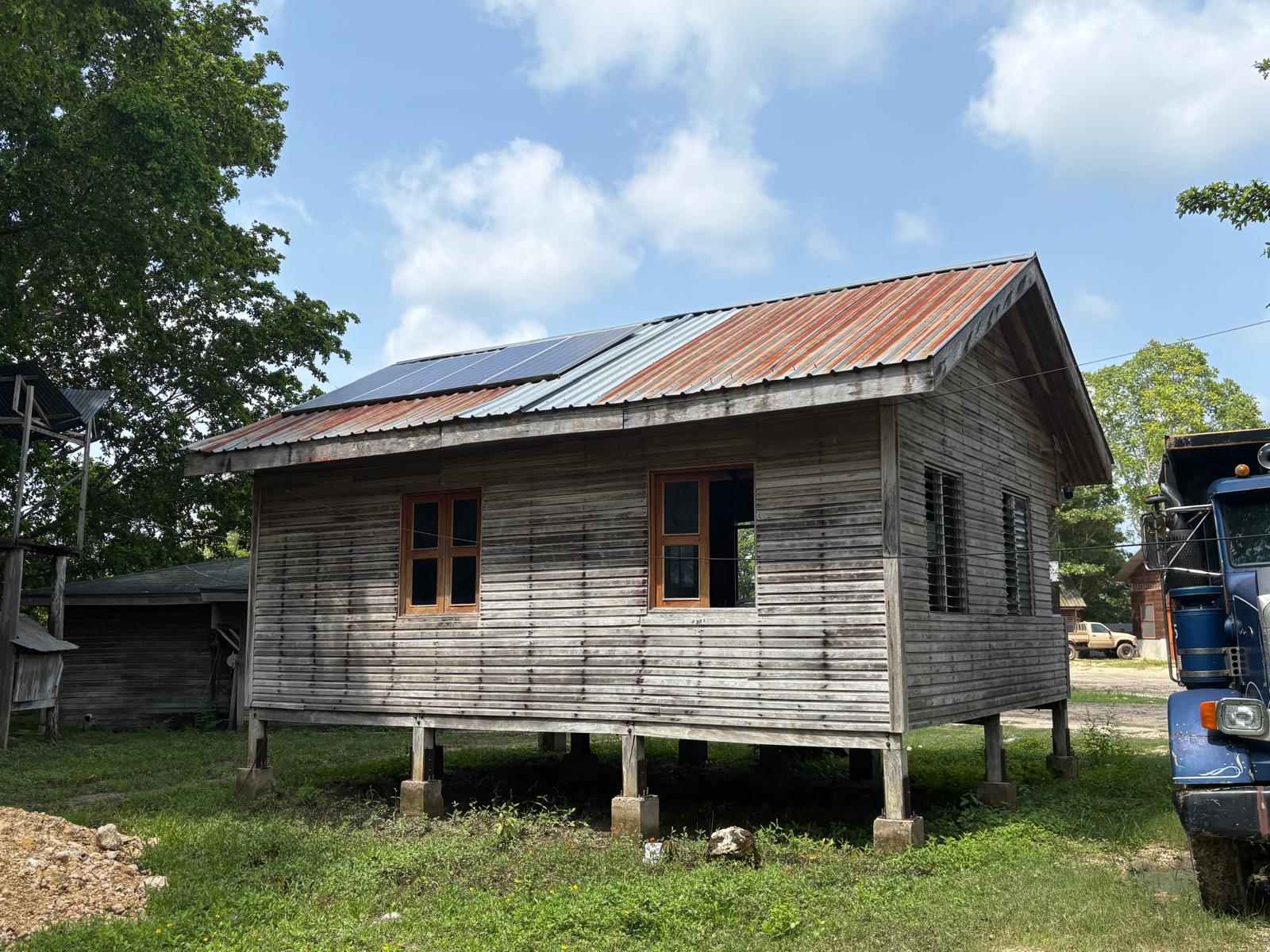
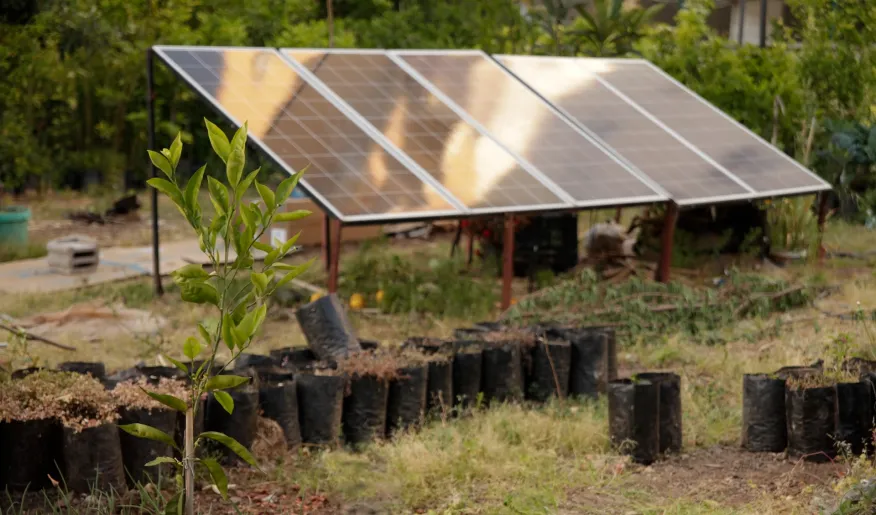
Explore reliable energy systems that fit local needs and conditions. This may include solar, energy storage, bioenergy, hydrogen, or hybrid systems. For remote communities, it can also mean reducing the cost and risk of relying on diesel
Access to safe water is closely linked to health, energy, and community development. Integra can help identify practical solutions for drinking water, wastewater treatment, water reuse, and environmental cleanup
We support Indigenous-led approaches to forest stewardship, biodiversity, climate resilience, and the care of lands and natural resources. Exploring ways to create value from protecting healthy ecosystems
A successful project should create benefits that stay in the community. We help explore opportunities for community-owned businesses, jobs, training, local supply chains, and long-term revenue






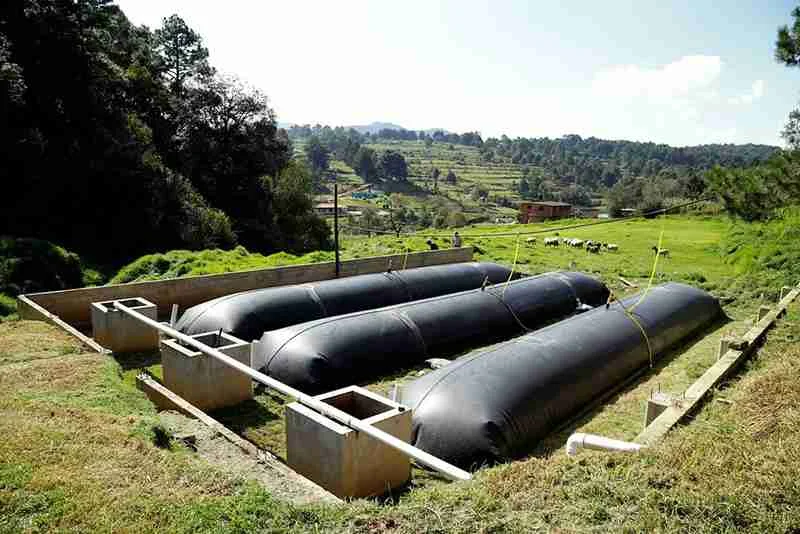
Local participation, technical training, project management skills, and long-term operation are part of the planning from the beginning. This is one example of how Integra works
We listen to leadership and community members and understand what success means to them
We consider culture, geography, climate, infrastructure, local skills, governance and long-term costs
We bring together the technology, engineering, conservation, business, and funding partners the project needs
We help coordinate partners and solve problems as the project moves from planning to operation
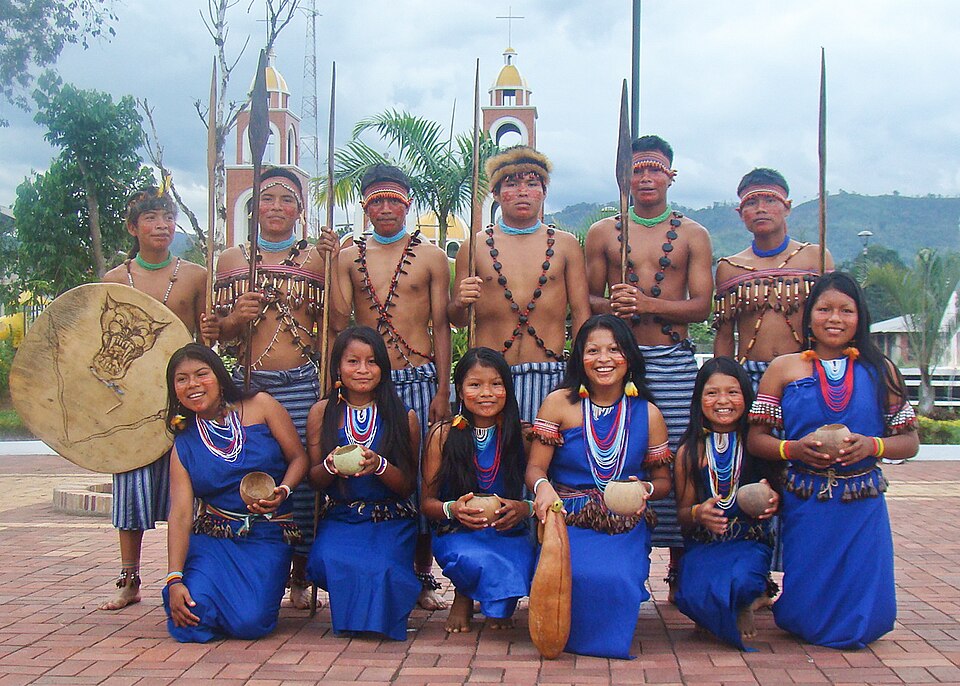
Working with Shuar communities in Ecuador
Integra is working with Fundación Inisha Nunka Ecuador, known as FINEC, on the Shuar Initiative for renewable energy, clean water, and sustainable livelihoods in Morona Santiago, Ecuador. The project is being planned in stages so that each step responds to community priorities and creates a practical base for the next one.
Our approach
When it comes to Indigenous clean energy partnerships,
We listen first.
Every community is different. Each has its own culture, leadership, land, resources, location, and goals. We do not arrive with a fixed package or assume that the same solution will work everywhere.
We start by listening. We learn what the community wants to achieve, what local skills and resources already exist, and what barriers have slowed progress in the past. We then help build a clear plan around those priorities.
Indigenous clean energy partnerships built for the long term.
Tell us what your community wants to achieve. We can help explore the technologies, partners, funding, and long-term support needed to move forward.
frequently asked questions
Everything you need to know about Indigenous clean energy partnerships in one place
We start by listening to leadership and community members to understand what success means to the community. The plan is then built around local priorities, skills, resources and barriers.
No. Every community has its own culture, leadership, land, resources, location and goals. Integra does not assume the same solution will work everywhere.
Yes. Integra can bring together energy, water, conservation, economic development and community capacity rather than treating them as separate needs.
Depending on local needs and conditions, this may include solar, energy storage, bioenergy, hydrogen or hybrid systems. For remote communities, this can also mean reducing the cost and risk of relying on diesel.
Integra can help identify practical solutions for drinking water, wastewater treatment, water reuse and environmental cleanup.
Integra helps explore opportunities for community-owned businesses, jobs, training, local supply chains and long-term revenue so benefits remain in the community.
Yes. Integra supports Indigenous-led approaches to forest stewardship, biodiversity, climate resilience and the care of lands and natural resources, including exploring ways to create value from protecting healthy ecosystems.
Operation and maintenance are considered from the beginning. Integra plans for who will run the system, how problems will be diagnosed, where parts will come from and who is responsible for repairs.
Yes. Depending on the project, Integra can help bring together technology providers, engineers, conservation specialists, funding partners, local businesses, training providers and government programs.
Yes. The community remains at the centre of the project and the decisions that shape it, from planning through implementation and long-term operation.